

When it comes to improving your home, windows play a bigger role than many homeowners realise. Not only do they affect how your property looks, but they also have a direct impact on energy efficiency, comfort, and even noise levels. Whether you are renovating your home or planning a completely new installation, choosing the right type of glazing is an important decision.
With so many options available, it can sometimes feel overwhelming to know where to start. Two of the most popular choices are double glazing vs triple glazing, both of which offer a range of benefits depending on your needs. Understanding the differences between them will help you make a more informed decision that suits both your home and your lifestyle.
At CS Windows, we have worked with homeowners for many years, providing high-quality solutions that are tailored to each individual property. In this guide, we will take a closer look at both options to help you decide which is best for your home.
Understanding Triple Glazing vs Double Glazing for Your Home
If you are considering upgrading your windows, it is important to understand how double and triple-glazing compare. While both are designed to improve insulation and comfort, there are key differences that may make one more suitable for your property than the other.
The right choice will depend on several factors, including your budget, the age of your home, and how you use your living space. For example, if you live in a busy area, sound insulation may be a priority, whereas others may focus more on energy efficiency and long-term savings.
To help you make the right decision, this guide will cover:
- What Are Double Glazed Windows?
- What Is Triple Glazing?
- Difference Between Double And Triple Glazing
What Are Double Glazed Windows?
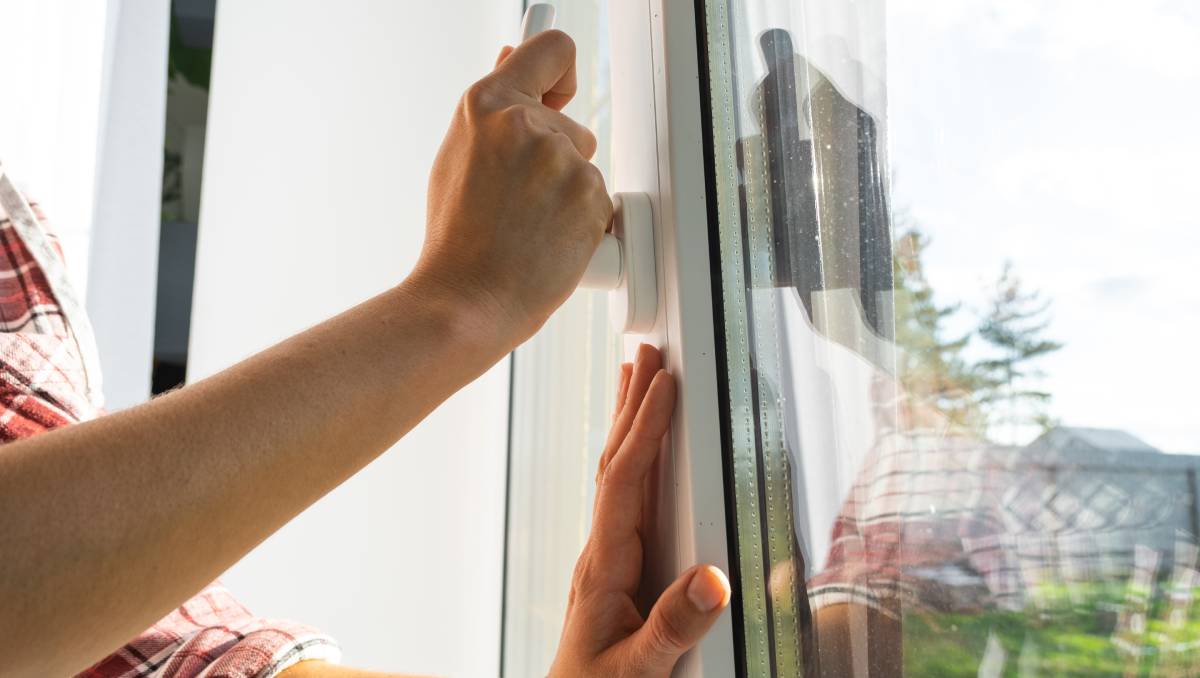
Double-glazed windows are one of the most common choices for homeowners across the UK. They consist of two panes of glass separated by a spacer bar, creating a sealed gap. This space is usually filled with argon gas or left as a vacuum, both of which act as insulating barriers.
This design helps reduce heat loss by around 18%, making your home more energy-efficient and comfortable throughout the year. As a result, many homeowners notice lower energy bills, as less heat escapes during the colder months.
In addition to improving insulation, double glazing also offers increased security. The two layers of glass make windows more difficult to break, providing added peace of mind. It also works as a sound barrier, helping to reduce unwanted noise from outside, which is especially beneficial if you live near a busy road or in a built-up area.
For homeowners seeking reliable, cost-effective solutions, our quality double glazing in Harpenden remains a popular and practical choice.
How Does Double Glazing Windows Work?
Double glazing works by creating an insulating gap between two panes of glass. This gap significantly reduces the amount of heat that can pass through the window, helping to keep your home warm in winter and cool in summer.
The panes are held apart within a sealed unit, often called an Insulated Glass Unit (IGU). Typically, the gap between the panes ranges from 6mm to 16mm and is filled with air or a dense gas such as argon. This slows down heat transfer and improves overall energy efficiency.
Another key benefit of this design is reduced condensation. Because the inner pane stays warmer, there is less chance of moisture forming on the surface. This helps to prevent damp and mould, contributing to a healthier living environment.
For more detailed information on how glazing improves efficiency, you can visit the Energy Saving Trust.
How Much Does Double Glazing Windows Cost?
The cost of double-glazed windows can vary depending on factors such as size, style, and material. On average, prices typically range from £500 to £5,000+ per window.
For a standard three-bedroom home, full installation costs typically range from £8,000 to £15,000. uPVC windows are generally the most affordable option, while aluminium or timber frames can increase the overall price.
Casement windows, which are one of the most common styles, typically cost between £500 and £1,250 per window. However, bespoke designs or larger installations will naturally be more expensive.
When planning your budget, it is always worth considering long-term savings, as improved insulation can help reduce your energy bills.
What Is Triple Glazing?
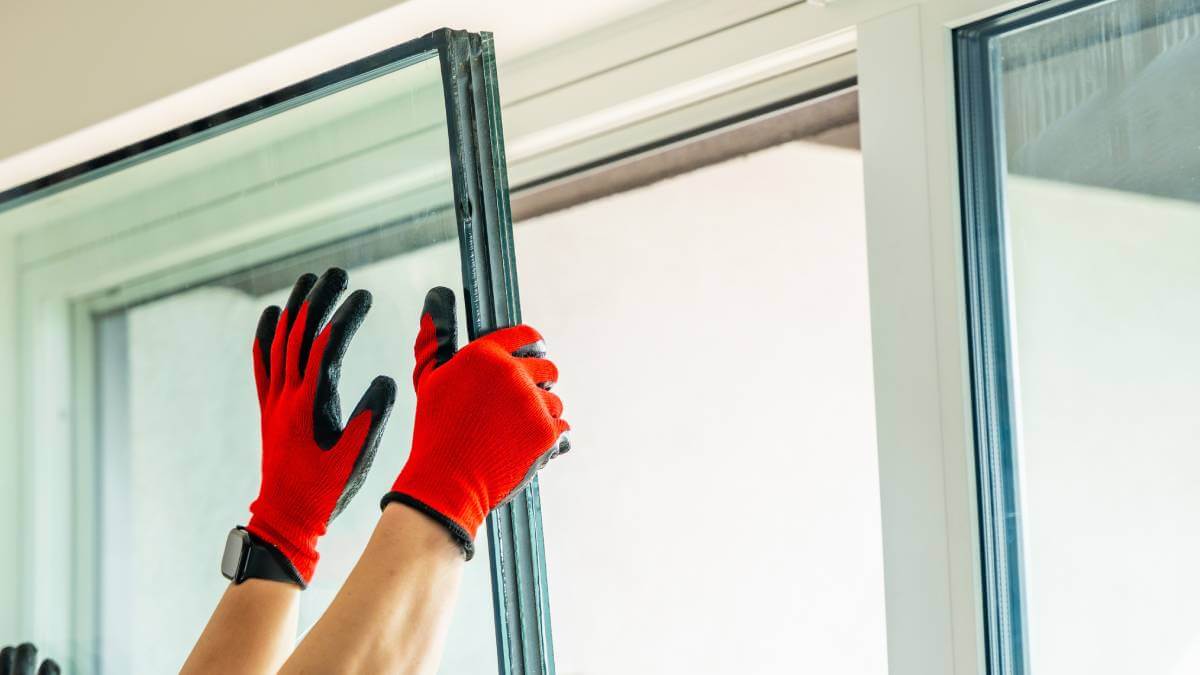
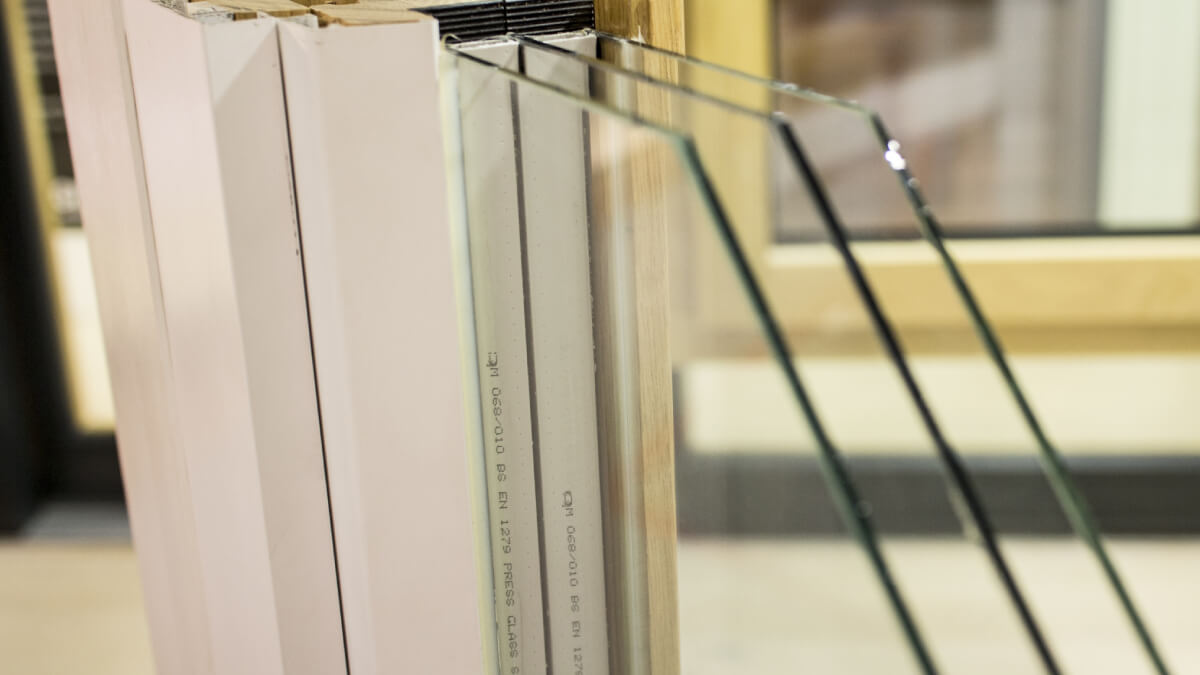
Triple glazing takes window insulation one step further by using three panes of glass instead of two. These panes are sealed together into a single unit, with an insulating gas such as argon filling the gaps between layers.
This extra pane provides improved thermal efficiency and soundproofing, making triple glazing an excellent choice for homeowners looking to maximise comfort. In many cases, triple-glazed windows can achieve A++ energy ratings, which is one of the highest levels available.
Another advantage of triple glazing is its ability to reduce condensation even further than double glazing. Because the inner pane remains warmer, moisture is far less likely to form, helping to protect your home from damp-related issues.
In addition to performance benefits, triple glazing also enhances security. The additional pane makes the window more robust and harder to break, offering an extra layer of protection for your home.
How Much Do Triple-Glazed Windows Cost?
Triple-glazed windows are generally more expensive than double-glazed windows, but they offer improved performance in return. Prices typically range from £500 to £1,980 per window, with standard uPVC units averaging £880-£900.
For a full house installation, costs can vary depending on the size of your property. A two-bedroom home may cost between £4,000 and £6,000, while larger homes can exceed £14,000.
On average, triple glazing costs 20–40% more than double glazing. While this may seem like a significant difference, many homeowners find that the long-term energy savings and added comfort make it a worthwhile investment.
You can learn more about energy ratings and efficiency standards on the British Fenestration Rating Council website.
Benefits of Triple Glazing
Triple glazing offers a range of benefits that make it an attractive option for modern homes, particularly those focused on energy efficiency and comfort.
- One of the main advantages is its superior thermal insulation.
Triple glazing can reduce heat loss by up to 40–50% compared to double glazing, helping to keep your home warmer for longer. This can lead to lower energy bills and improved EPC ratings. - It also helps to create a more comfortable living environment by eliminating cold spots and draughts. The improved insulation ensures a more consistent indoor temperature year-round.
- Noise reduction is another key benefit. The additional pane and wider structure act as a stronger barrier against external noise, making your home quieter and more peaceful.
- Condensation is significantly reduced, as the inner pane stays warmer, lowering the risk of damp and mould. This is particularly useful in areas prone to high humidity.
- From a security perspective, triple glazing provides added protection due to its stronger structure. It is more difficult for intruders to break through or remove the glass.
- Finally, installing high-efficiency windows can increase your property value. As energy efficiency becomes increasingly important to buyers and renters, triple glazing can make your home more attractive to the market.
For homeowners investing in upgrades such as our conservatories in Harpenden, triple glazing can also help ensure the space remains comfortable year-round.
For further guidance on building regulations and glazing standards, you can visit the Planning Portal.
Difference Between Double And Triple Glazing
While both double and triple glazing are designed to improve your home’s insulation, there are some key differences between the two.
Triple glazing offers superior thermal performance, thanks to the additional pane of glass and extra insulating layer. This makes it particularly effective in colder climates or for homes that require maximum energy efficiency.
It also provides better soundproofing, making it ideal for properties located in noisy areas. However, this added performance comes at a higher cost, with triple glazing typically costing between 10% and 50% more.
Another factor to consider is weight. Triple-glazed units are heavier, which may require stronger window frames and a more complex installation.
Double glazing, on the other hand, remains a highly effective and more affordable option. For many homeowners, it provides the perfect balance between performance and cost, making it the most popular choice across the UK.
Ultimately, the decision will depend on your priorities. If you are looking for maximum efficiency and long-term savings, triple glazing may be the better option. However, if you are working within a budget, double glazing still offers excellent performance and value.
Choosing the Right Glazing for Your Home
Choosing between double and triple glazing will come down to your individual needs, budget, and the type of property you own. Both options offer clear benefits, and the right choice will depend on what matters most to you, whether that is cost, energy efficiency, or overall comfort.
For many homeowners, double glazing offers a reliable, cost-effective solution that improves insulation and security. However, for those seeking the highest level of energy efficiency and noise reduction, triple glazing can be a worthwhile investment.
At CS Windows, we understand that every home is different. With years of experience and a strong reputation for quality, our team is here to help you explore your options and find the perfect solution for your property. Whether you are upgrading your existing windows or planning a larger home improvement project, we are always on hand to guide you through the process.
If you are ready to take the next step, get in touch with CS Windows today and let us help bring your vision to life.