

Replacing your windows is an important decision, especially when there are so many styles and materials to choose from. Two of the most popular options for UK homeowners are aluminium and uPVC, but how do you know which one is right for your property?
When comparing aluminium vs uPVC windows, there are several things to consider beyond appearance. Both materials offer different benefits when it comes to energy efficiency, durability, maintenance and cost. The right choice will depend on your budget, the style of your home and what you want from your new windows.
At CS Windows, we understand that every property is different. In this guide, we’ll explore the advantages of both materials, explain their main differences and help you decide which option could work best for your home.
Aluminium vs uPVC Windows: What You Need to Know
Aluminium and uPVC are both widely used for modern window installations, offering reliable performance and a choice of designs. However, they differ in several ways, from the thickness of their frames to their overall cost.
To help you make an informed decision, we’ll cover the following:
- What Are uPVC Windows?
- What Are Aluminium Windows?
- Aluminium Windows vs uPVC Windows
- Cost of Aluminium Windows vs uPVC
- Which Windows Are Better for Different Property Types?
- What Should You Consider Before Replacing Your Windows?
What Are uPVC Windows?
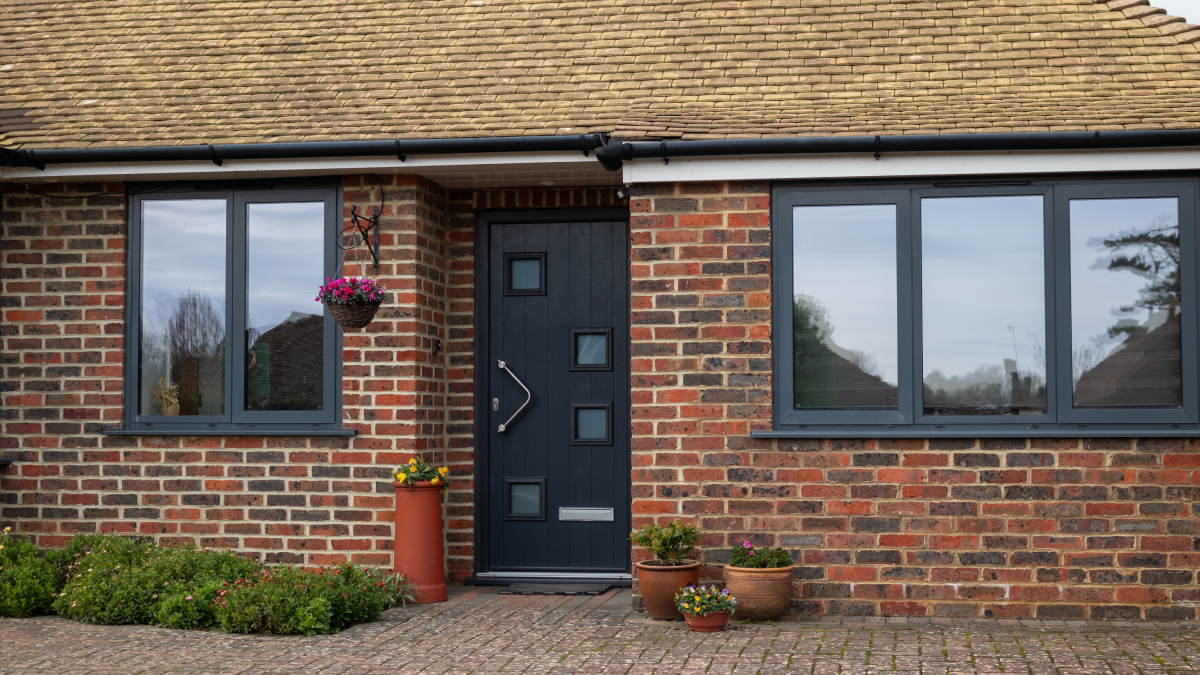
uPVC stands for unplasticised polyvinyl chloride, a rigid plastic commonly used to manufacture window frames. It’s one of the most popular materials for replacement windows in the UK, largely because it’s affordable, durable and requires very little maintenance.
Unlike traditional timber frames, uPVC doesn’t need regular painting or treating. It’s also naturally resistant to moisture and provides good thermal insulation, helping to reduce heat loss when combined with suitable glazing.
Modern uPVC windows are available in various styles, colours and finishes. This makes them suitable for everything from traditional family homes to newer properties.
Benefits of uPVC Windows
There are several reasons why homeowners continue to choose uPVC windows:
- Cost-effective: Generally more affordable than aluminium, making them a popular choice for larger installations.
- Low maintenance: Easy to clean and don’t require regular painting or sealing.
- Energy efficient: The frame material provides good insulation and helps reduce heat transfer.
- Versatile designs: Available in casement, flush casement and traditional sash-style options.
- Weather resistant: Designed to withstand rain, wind and changing temperatures.
One potential drawback is that uPVC frames tend to be thicker than aluminium alternatives. This can slightly reduce the amount of glass within the window, although the difference will depend on the design you choose.
For homeowners looking for affordable replacement windows that are easy to maintain, uPVC remains a practical and reliable option.
What Are Aluminium Windows?
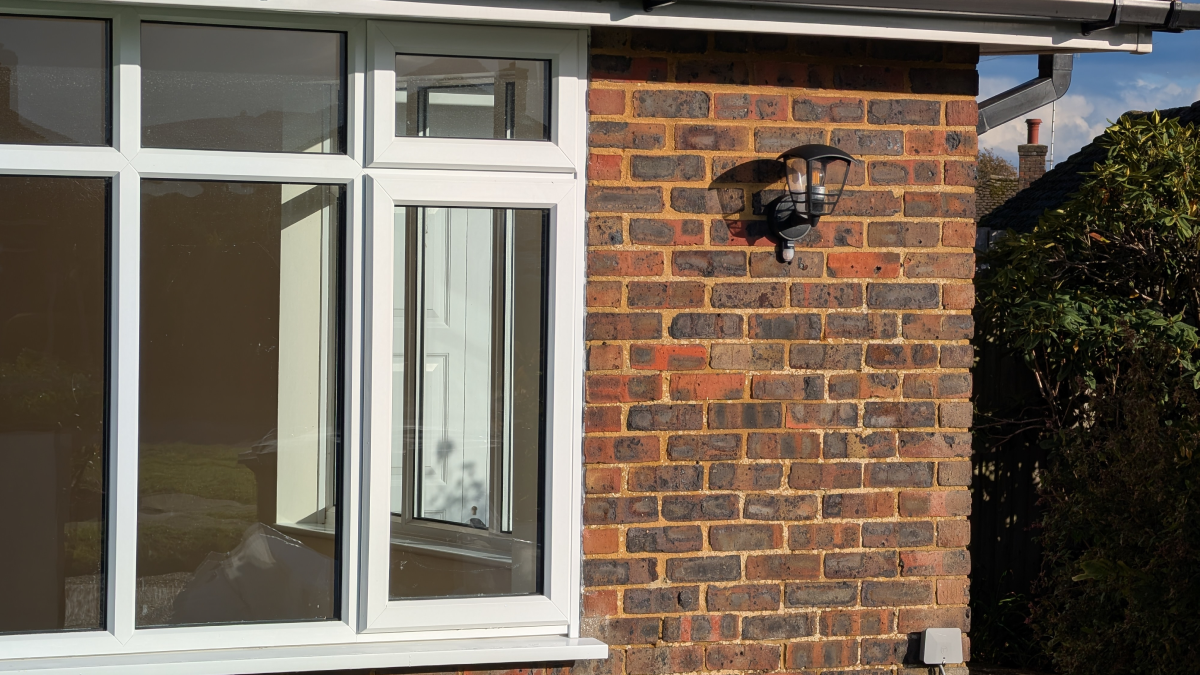
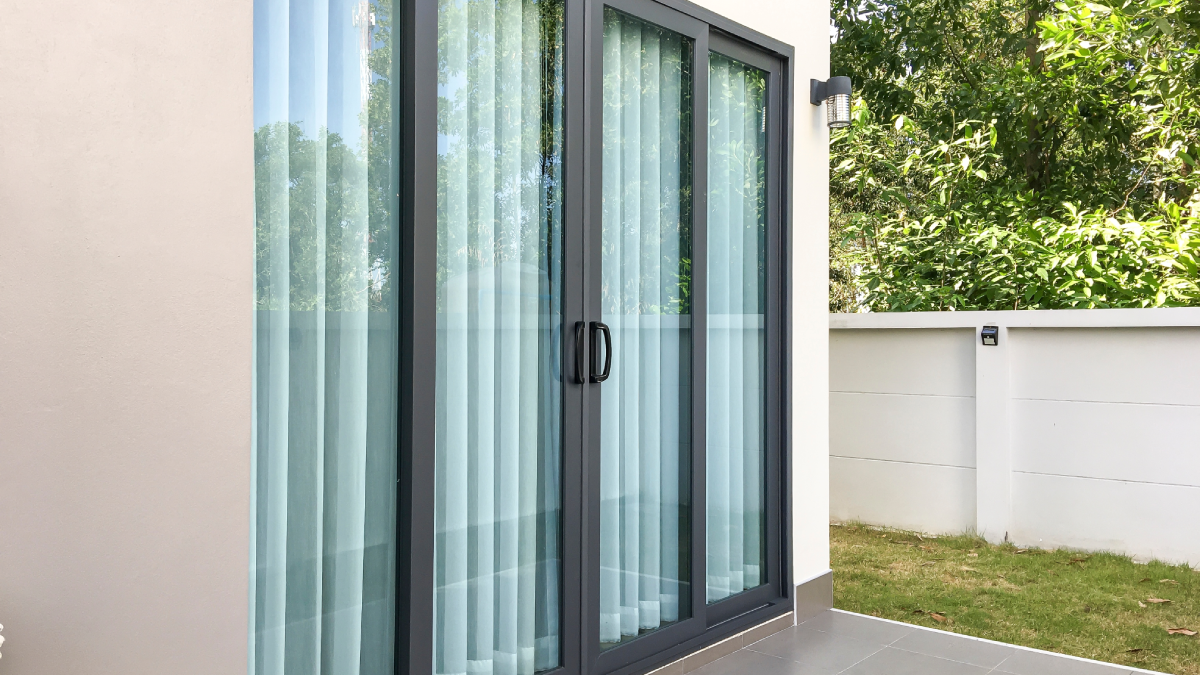
Aluminium windows have strong but lightweight frames, allowing for slimmer designs and larger glass areas. This makes them a popular choice for modern homes and extensions.
Aluminium windows are popular for their slim, modern look, but with plenty of colours and finishes to choose from, they can also look great on traditional homes.
At CS Windows, our aluminium windows are available in different designs, including options with slim frames and a choice of RAL colours.
Benefits of Aluminium Windows
Aluminium windows have plenty of benefits, especially if you’re looking for a modern design that’s strong and built to last.
- Slim frames: Allow larger glass areas and more natural light.
- Strong construction: Suitable for larger windows and glazing installations.
- Modern designs: Create a clean, contemporary appearance.
- Long-lasting: Resistant to warping and corrosion when properly finished.
- Colour options: Available in numerous powder-coated finishes.
Aluminium windows are generally more expensive than uPVC. As metal naturally conducts heat, modern aluminium frames also require thermal breaks to improve insulation and prevent excessive heat transfer.
Despite the higher initial cost, aluminium can be a worthwhile investment for homeowners who prefer slimmer frames or want to introduce larger glazed areas into their property.
Aluminium Windows vs uPVC Windows
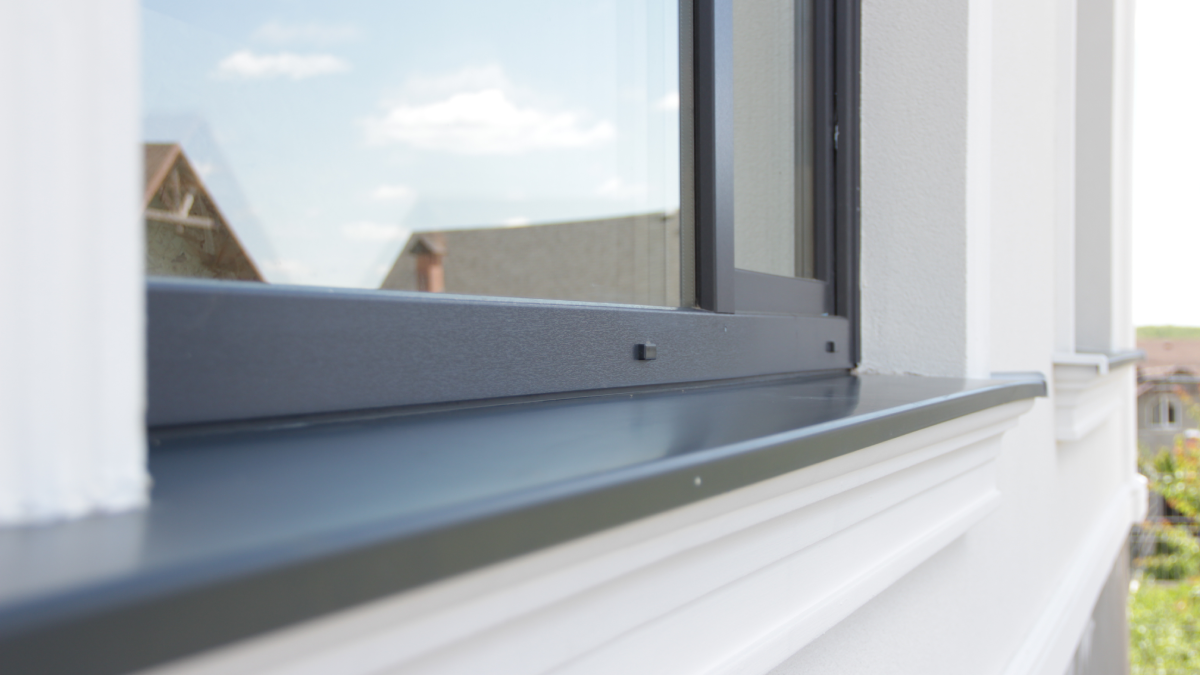
Aluminium and uPVC windows both have their benefits, but the differences between them are worth knowing before deciding which is right for your home.
Energy Efficiency
Both materials can provide good thermal insulation when combined with energy-efficient glazing. uPVC naturally conducts very little heat, while modern aluminium windows use thermal breaks to help prevent heat from passing through the frames.
When comparing products, it’s important to consider the overall window energy rating and U-value rather than focusing only on the frame material.
The Energy Saving Trust provides useful information about window energy efficiency and how suitable glazing can improve your home’s comfort.
Durability, Maintenance and Appearance
Both aluminium and uPVC windows are built to last and don’t need much upkeep, but there are a few differences to keep in mind:
- Durability: Aluminium is particularly strong, while good-quality uPVC can also provide many years of reliable performance.
- Maintenance: Both require occasional cleaning, but neither needs regular repainting.
- Appearance: Aluminium offers slimmer frames, while uPVC provides a wider choice of traditional-looking designs.
- Security: Both can offer excellent protection when fitted with suitable locking systems and security glazing.
Ultimately, appearance often comes down to personal preference. Aluminium may be better suited to contemporary properties, while uPVC can offer a more traditional finish.
For example, uPVC casement windows are available in woodgrain finishes that can complement older buildings without the maintenance associated with timber.
Cost of Aluminium Windows vs uPVC
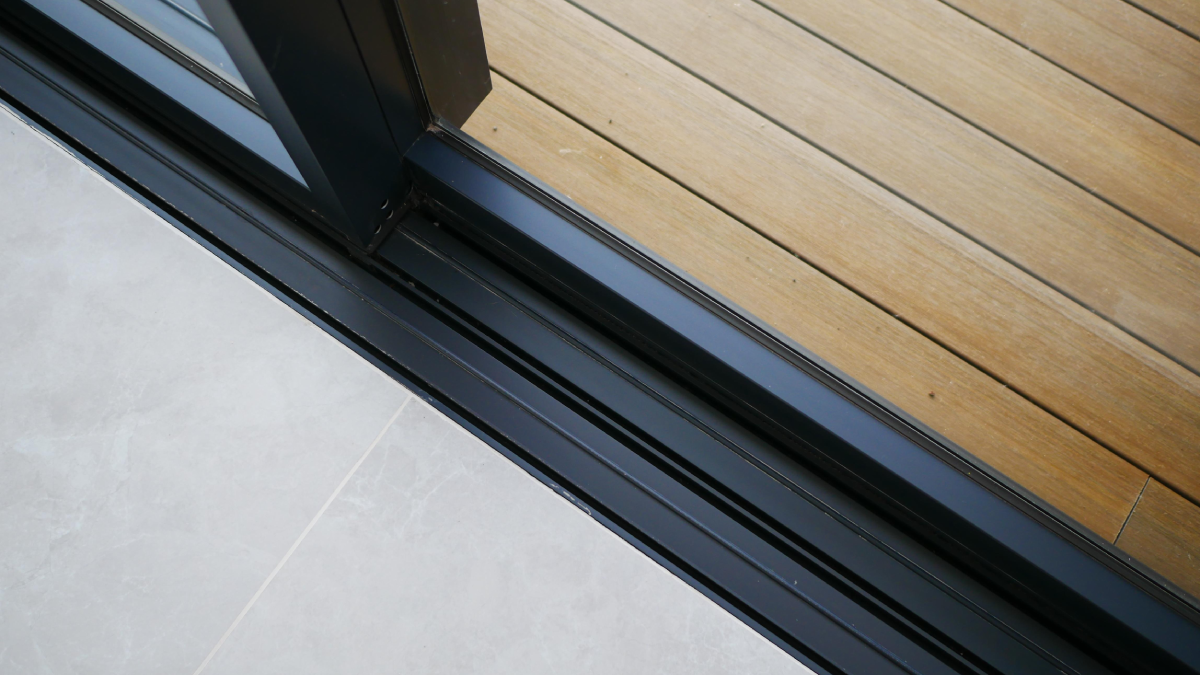
Price is a big factor when choosing new windows. uPVC is usually cheaper than aluminium, making it a more affordable choice if you’re replacing several windows at once.
Aluminium tends to cost more because of the materials and manufacturing processes involved. However, the final price will depend on the size, style and specification of your chosen windows.
Some of the main factors affecting installation costs include:
- Window size: Larger windows usually require more materials and labour.
- Frame material: Aluminium generally costs more than uPVC.
- Glazing options: Triple glazing and specialist acoustic glass can increase the price.
- Design and finish: Bespoke sizes, colours and specialist window styles may cost more.
- Installation: Additional building work or difficult access can affect the final quotation.
Although aluminium costs more upfront, its strength and slimline appearance can make it attractive for certain properties. uPVC, on the other hand, offers good performance at a more affordable price.
When comparing quotations, consider the quality of the complete window, the installation service and any guarantees included. The cheapest option isn’t always the best long-term investment.
Which Windows Are Better for Different Property Types?
The style of your home can help you decide between aluminium and uPVC windows. Some designs work better with traditional properties, while others are a better match for modern homes.
- Traditional properties: uPVC windows with woodgrain finishes or flush casement designs can help maintain a more traditional appearance.
- Modern homes: Aluminium is often preferred for its slim frames and contemporary design.
- Family homes: uPVC provides an affordable, low-maintenance solution for everyday use.
- Home extensions: Aluminium can be particularly suitable for larger windows that bring more natural light into a room.
These are general recommendations rather than strict rules. A modern property can look just as attractive with carefully chosen uPVC windows, while aluminium can complement certain period homes.
It’s also worth considering any other improvements you’re planning. For example, homeowners interested in conservatories in Harpenden may want to choose window frames that match the doors and glazing throughout their property.
What Should You Consider Before Replacing Your Windows?
Before choosing your new windows, it’s worth looking beyond the frame material. The glazing, installation quality and overall specification will all affect how well your windows perform.
To help you make the right decision, there are several important things to check:
- Energy ratings: Compare the whole-window U-value and energy efficiency rating.
- Glazing: Consider whether double, triple or acoustic glazing would be most suitable.
- Security: Ask about locking systems, reinforced frames and security-tested glazing.
- Guarantees: Check the product warranty and installation cover.
- Installation costs: Make sure your quotation includes all necessary work and waste removal.
It’s also important to understand whether planning permission or Building Regulations approval is required. While most straightforward replacement windows in houses don’t need planning permission, restrictions may apply to listed buildings, conservation areas or changes to existing openings.
The Planning Portal provides useful guidance on replacement windows and the relevant requirements.
For further information about glazing specifications and window performance, the Glass and Glazing Federation is another helpful resource.
If you’re looking into double glazing in Harpenden, it’s worth speaking to an experienced installer, such as our team at CS Windows, who can talk you through the options and help you find windows that suit your home and budget.
Aluminium or uPVC: Which Should You Choose?
Choosing between aluminium and uPVC windows will depend on your budget, the type of property you own and what matters most to you. Both materials offer good performance, but their different features mean one may be more suitable for your home than the other.
For homeowners looking for an affordable, low-maintenance option, uPVC is often a sensible choice. Aluminium, on the other hand, may be better suited to those who prefer slimmer frames, larger glass areas and a more contemporary appearance. Whichever material you choose, the quality of the glazing and installation will play an important role in its long-term performance.
At CS Windows, we understand that every home is different. With over 10 years of experience, our team can help you explore the available materials, designs and glazing options to find something that works for your property. Whether you’re replacing a few windows or planning a larger home improvement project, we’re here to help you make the right choice.
If you’re ready to upgrade your windows, get in touch with CS Windows today to discuss your requirements and request a quote.